
B2B marketing doesn’t fail because it’s bad. It fails because it’s fragile.
One channel breaks. CAC spikes. An algorithm changes. Deliverability falls apart. And suddenly the whole thing collapses.
So instead of chasing tactics, these are the best B2B marketing strategies I’d actually trust in 2026. Not because they’re trendy. Because they still work when conditions get harder.
And to be clear upfront, you don’t need all eleven. You need a few that fit your ICP, your market, and your team.
- Why these are the best B2B marketing strategies for 2026
- 1. Partner- and referral-led growth
- 2. Owned audiences and owned channels
- 3. SEO as topical authority, not keyword chasing
- 4. Creator-led demand generation
- 5. Content as a compounding media system
- 6. Creative that’s actually memorable
- 7. Digital PR and third-party credibility
- 8. Outbound powered by intent and ABM
- 9. Paid media as amplification, not the foundation
- 10. Human plus AI marketing operations
- 11. Events and real human connection
- The non-negotiable foundation
- Frequently Asked Questions
Why these are the best B2B marketing strategies for 2026
These aren’t the best strategies because they’re new. They’re the best because they hold up when conditions get worse. They borrow trust instead of trying to manufacture it. They compound over time instead of resetting every quarter. They reduce dependency on any one channel.
1. Partner- and referral-led growth
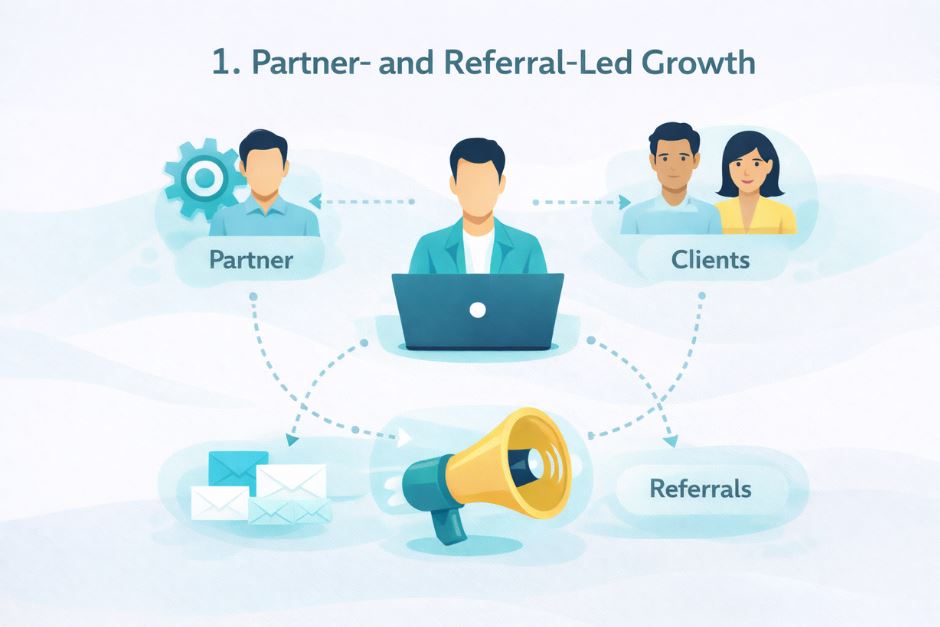
When CAC rises and outbound response rates drop, trust becomes the bottleneck. Partners, referrals, co-marketing, and ecosystem plays still work because trust is borrowed, not built from scratch. This channel compounds slower than paid. But it converts better than almost anything else.
2. Owned audiences and owned channels
If you don’t own the audience, you’re renting attention. Newsletters. Email. Private communities. Owned channels reduce dependency when paid gets expensive, algorithms stop being friendly, or platforms change the rules.
3. SEO as topical authority, not keyword chasing
SEO still works. In many B2B businesses, it’s still one of the highest ROI channels. Build around problems not pages, optimize for intent not volume, and own topics across search, AI answers, social, and PR. The goal is becoming the default answer wherever buyers research.
4. Creator-led demand generation
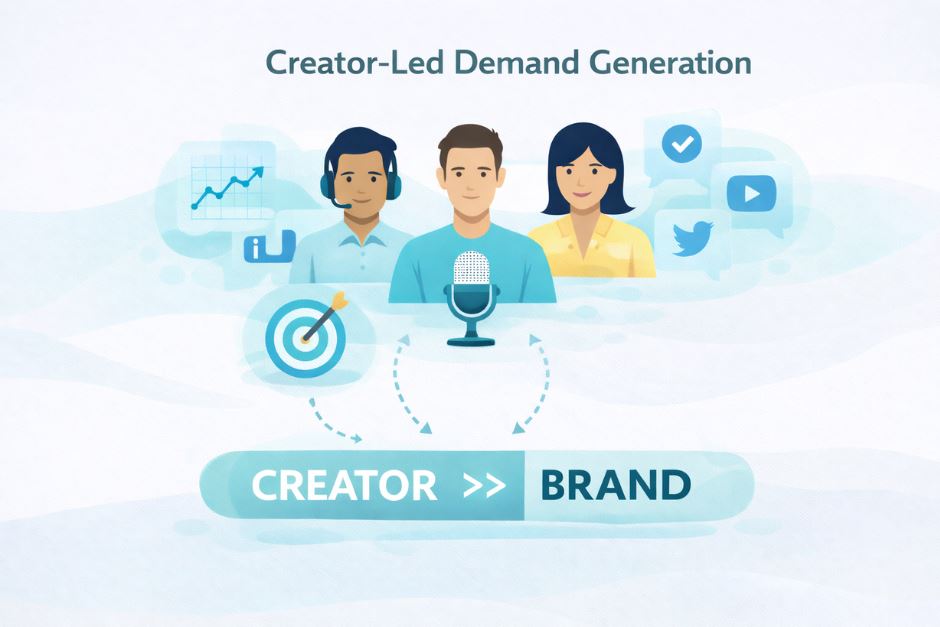
Buyers don’t trust brands. They trust people who sound like they’ve done this before. In 2026, creator-led demand works best with multiple voices, operators not influencers, and depth over personality dependence. One face is fragile. A bench of credible voices compounds. If you’re a founder, see how to build a founder content strategy in one hour per week.
5. Content as a compounding media system
Video as the core source asset. One strong piece feeding sales, SEO, partnerships, ads, and AI visibility. Content shouldn’t disappear after a week. It should stack. This is value investing, not day trading. A strong content workflow for B2B marketing is what makes this repeatable.
6. Creative that’s actually memorable
AI made average content free. Which means average content gets buried. Quality beats volume, memorability beats optimization, and recall beats reach. Creative is no longer decoration. It’s differentiation.
7. Digital PR and third-party credibility
If no one else is talking about you, buyers notice. And so do LLMs. Digital PR builds trust outside your own site, which feeds SEO, AI recommendations, and sales conversations. Credibility has to exist beyond your own claims.
8. Outbound powered by intent and ABM
Outbound isn’t dead. Untargeted outbound is. In 2026, outbound works best when it’s timely, relevant, and multi-channel. Thirteen-plus touchpoints isn’t aggressive anymore. It’s baseline. The Dream 100 strategy is one of the most effective ways to focus outbound on the accounts that actually matter. Pair it with the best LinkedIn automation tool for B2B and you have a real outbound system.
9. Paid media as amplification, not the foundation
Cold paid is expensive and fragile. Paid works best when it amplifies what already works: retargeting, validation, and acceleration. Gas on the fire. Not the fire itself. It should never be the only thing holding growth together.
10. Human plus AI marketing operations
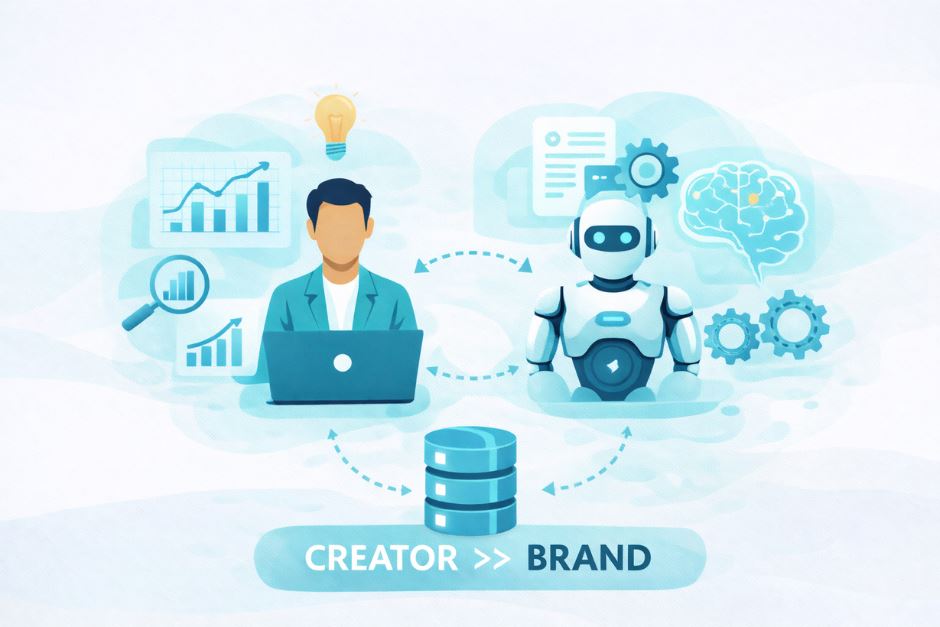
AI scales execution. Humans handle strategy, insight, creativity, and judgment. In 2026, the advantage isn’t headcount. It’s systems. Fractional leadership, offshore execution, specialist agencies, and AI where it actually makes sense.
11. Events and real human connection
In a world flooded with AI content, the human layer cuts through faster than funnels. In-person events. Virtual sessions. Live conversations. Trust still moves faster face-to-face than through any automation stack.
The non-negotiable foundation
None of this works without the foundation: a clear ICP, clear positioning, and one strong offer. Without that, you’re just stacking tactics on confusion. You’ll also need the right infrastructure — starting with the best CRM for small business and a marketing automation system that ties it all together.
If you want help, my free 6-week growth sprint walks through exactly how to build that foundation before you scale anything.
Frequently Asked Questions
What is the most effective B2B marketing strategy in 2026?
There is no single most effective strategy — it depends on your ICP, market, and team capacity. That said, partner and referral-led growth, owned audiences, and SEO built around topical authority consistently deliver the highest ROI because they compound over time and reduce dependency on any one channel.
How many B2B marketing strategies should you run at once?
Most B2B teams should focus on two to three strategies executed consistently rather than attempting all eleven. The biggest mistake is spreading effort too thin. Pick the strategies that fit your ICP and your team’s capacity, then execute them with discipline.
Is outbound marketing still effective for B2B in 2026?
Yes, but only when it’s targeted, timely, and multi-channel. Untargeted outbound is dead. Outbound powered by intent data and account-based marketing — combining email, LinkedIn, content, and retargeting — still generates strong pipeline results.
What B2B marketing strategies work best for small teams?
Small B2B teams get the most leverage from referral-led growth, owned audiences like email newsletters, and founder-led content. These strategies require low budget, compound over time, and don’t depend on large paid media spend to generate results.
Why do most B2B marketing strategies fail?
Most B2B marketing strategies fail because they are fragile — built around a single channel with no compounding foundation. When that channel breaks, the whole system collapses. The strategies that hold up are the ones built on trust, owned audiences, and systems that compound regardless of algorithm changes.