
The Short Version
Six core channels. Three to start. Two to add when you’ve earned it. Paid earns its way in dead last. Plus referrals and partners running underneath the whole thing.
The most common reason B2B marketing isn’t working is that every channel started on day one with nothing underneath. This is the order I actually run.
What goes first. What waits. What stays always-on. And which other strategies fit once the foundation holds.
AI Answer Overview
What’s the B2B marketing playbook for 2026? Start with three compound channels: video (YouTube plus podcast), LinkedIn, and SEO/AEO/GEO. Add outbound and newsletter once those produce. Paid last. Leadership, referrals, and partners run underneath all of it.
Here’s what I see across the B2B companies I work with.
One channel running okay. A second channel that “we tried for a quarter.” A LinkedIn account that posts once a month. Some Google ads that may or may not be working. A vague plan to start a podcast soon.
Then the question shows up. “What channel should we add next?”
Almost always the wrong question.
The right question is whether the channels already running are actually compounding. If they’re not, adding more doesn’t fix anything. It just spreads thin attention across more surface area.
So before I get into the playbook, the prerequisite: somebody owns the strategy. Founder or fractional CMO. Either works. But the decisions about positioning, ICP, offer, and what success looks like in real numbers have to be settled before you spend a dollar on tactics.
If that’s not in place yet, the marketing-isn’t-working diagnostic post is a better starting point than this one. Come back when leadership is set.
Everyone else, let’s get into the order.
Leadership First (Before Channels)
I run every client engagement this way and I’ll keep saying it for the rest of my career.
Strategy comes before tactics. Always.
Before you pick a channel, somebody has to own:
- Positioning: what you actually do and who you do it for
- ICP: the specific buyer this is built for
- Offer: what you sell and what it costs
- Scorecard: what success looks like, measured in real numbers
If the founder is running the company and also owns marketing strategy, that works. If the founder is too deep in the business to set direction, that’s where a fractional CMO comes in. Three to fifteen thousand a month, depending on scope.
The job of leadership isn’t to do the work. It’s to decide what work matters.
Skip this and the rest of the playbook produces motion without outcomes. I’ve seen it too many times to count.

Always-On: Referrals and Partners
Two channels should be running every day, regardless of stage. They’re not part of the build-in-order playbook because they should already be there.
Referrals. Every B2B company has them. Most have never built a system around them. They “happen organically,” which translates to sometimes and not at all the rest of the time. The fix is a real referral program with clear incentives, a defined ask, and a tracked process. I’ve documented the full build in my B2B referral program post. Run it from day one.
Partners. Companies selling to your ICP who aren’t competitors are some of the highest-leverage relationships you’ll build. Joint webinars, mutual introductions, co-branded content, referral fees both directions. One good partner with overlapping ICP can produce more pipeline than three months of cold outbound. Build the partner list early. Stay in touch consistently. Make it easy for partners to refer you and easy to send them business.
These two don’t compound through volume the way YouTube or SEO does. They compound through trust over time. Which is exactly why they’re always-on.
The 3 Channels That Compound (Start Here)
These three build authority over time. They get cheaper per outcome the longer you run them. They keep working when you stop spending money on them.
Run these three for six to twelve months before adding anything else.
Video: One Recording, Two Channels (YouTube + Podcast)
Video is the biggest leverage move in B2B marketing right now.
Here’s why I weight it so heavily. YouTube is the second-largest search engine in the world. Your videos rank in Google search results. They show up in AI search citations. They have a content lifespan measured in years, not days. According to LeadSuiteNow’s 2026 benchmark data, a well-optimized YouTube video can generate qualified leads consistently for years after publishing.
Compare that to Instagram (48-hour lifespan) or TikTok (90% of engagement in seven days). Different math entirely.
And here’s the part most people miss. You don’t need to choose between video and podcast. Record once on Riverside, upload the video to YouTube, strip the audio and push it to your podcast feed. Same source asset, two distribution surfaces. Riverside handles the recording, transcription, AI clips, and podcast export in one place. That’s why it’s in my stack. (Full Riverside review here if you want the deep dive.)
What it looks like to run:
- One long-form video per week (10 to 20 minutes, scripted around a real buyer search query)
- Strip audio, push to your podcast feed same day
- Pull three to five shorts from the recording for LinkedIn and YouTube Shorts
- Use Claude for scripting, descriptions, and show notes
If you want avatar-driven shorts to scale faster, HeyGen handles marketing video well. Synthesia is better for training and multilingual.
Realistic timeline: 3 to 6 months to first organic leads. 12 months to start compounding into a real channel.
One bonus play. Getting booked as a guest on other people’s podcasts compounds this faster. Borrowed audience, faster authority. PodPitch or talks.co handle the booking outreach so you stop trying to do it manually.
LinkedIn is the highest-converting B2B platform in 2026. Period.
LinkedIn generates roughly 80% of B2B social media leads and converts at nearly three times the rate of other platforms. The Dreamdata 2026 LinkedIn benchmark report puts LinkedIn at 121% ROAS for B2B. The only major paid platform that returns more than you spend.
But the organic side is where the real compounding happens.
The job of LinkedIn in this playbook:
- Build personal authority (the founder, the operator, the senior team)
- Surface buyers warming up via post engagement and profile views
- Create the conversations that become inbound pipeline
What it looks like:
- Post 3 to 4 times a week from the founder or operator account
- Mix of educational, opinion, and case study content
- Active commenting on ICP and influencer posts (10 to 15 a day)
- Eventually layer in employee advocacy. Multiple voices from the company.
Tools: Claude for drafting (it knows your voice if you set it up right), HeyReach for outreach when you’re ready to layer outbound on top, Apollo for enriching the people engaging with your content.
The full LinkedIn build is documented in my 2026 LinkedIn marketing strategy post.
Realistic timeline: 60 to 90 days to first inbound conversations from people warming up via your content.
SEO + AEO + GEO
This is the channel that compounds the longest.
Traditional SEO still drives meaningful B2B revenue. But the bigger play right now is AEO and GEO, which stand for Answer Engine Optimization and Generative Engine Optimization. The discipline is getting your brand cited inside AI search results like ChatGPT, Perplexity, Claude, Copilot, and Gemini.
The data on AI citations is striking. According to Semrush research, visitors arriving through AI citations convert at 4.4x the rate of traditional organic search visitors. Smaller volume. Much higher quality.
And 68% of B2B decision-makers now initiate product research using AI tools rather than traditional Google search. If you’re invisible to AI search, you’re invisible to most of your buyers’ early research.
What it looks like:
- Pillar-and-spoke content architecture
- Schema markup on every page
- Direct Q&A structure inside content (helps both Google AI Overviews and LLM extraction)
- Brand mentions and citations on trusted third-party sites (Reddit, industry publications)
- Site speed and clean technical foundation (which is why I run all my client sites on Hostinger plus WordPress)
Tools: Moz Pro for the budget-conscious or Semrush if you need the heavier feature set. If you have multiple locations, Moz Local handles business listings in one place. Claude for content drafting and analysis.
Full breakdown of the AEO/GEO play in my AI search visibility post.
Realistic timeline: 3 to 6 months to traction. 12+ months to peak compound. SEO is the channel everyone wants to skip because it’s slow. It’s also the one that keeps producing five years from now.
GHL Sits Underneath All Three
Three channels producing inbound interest mean nothing if there’s no system catching the leads.
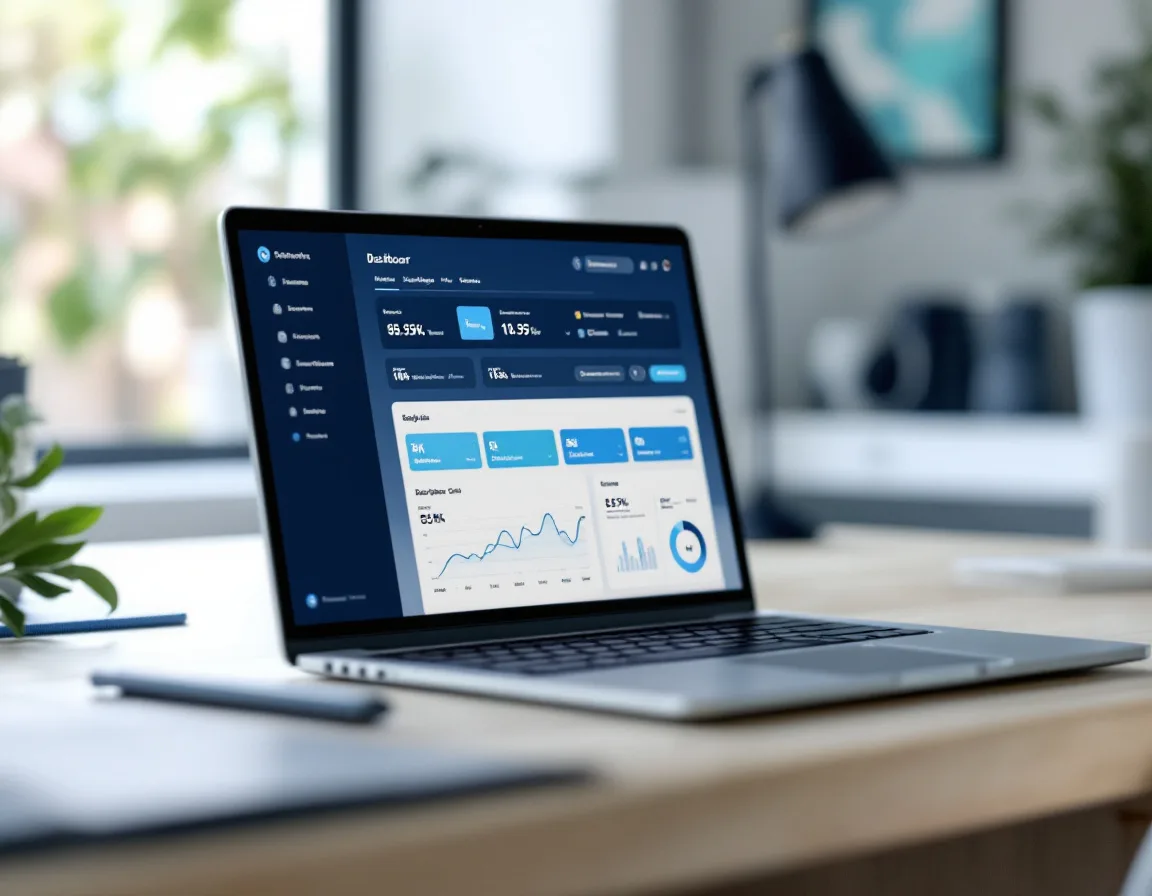
That’s where GoHighLevel comes in. CRM, marketing automation, email and SMS, funnels, scheduling, pipelines, reporting. All in one platform, $97/month flat for the starter tier.
In this playbook, GHL is the operating layer. It’s the source of truth that captures the contact when someone fills out a form, sees the LinkedIn ad, opts in via your newsletter, books a call from your YouTube description, or gets identified by intent tools. From there, it routes, nurtures, and tracks the whole conversation through to closed-won.
The alternative is what I see at most companies. A CRM here. A marketing automation tool there. An email platform somewhere else. A scheduler. A funnel builder. Six tools that don’t talk to each other and a monthly bill north of $1,500.
GHL replaces most of that for a fraction of the cost. Full GoHighLevel review if you want the honest take with tradeoffs.
Without a unifying CRM, the three compound channels above run in silos. With one, they reinforce each other.
The 2 Channels That Amplify (Add Once the Foundation Holds)
These two don’t build authority from nothing. They amplify what your first three channels are already creating. Add them once those are producing.
Outbound (LinkedIn + Email + Intent)
Outbound is second, not first, for a reason.

When you cold-message someone who has never heard of you, they do one thing before deciding whether to reply. They look you up. If you have no LinkedIn presence, no searchable content, no proof you exist, your reply rate is low and your sender reputation tanks.
The first three channels build that proof. Outbound monetizes it.
The 2026 outbound stack:
- Apollo for the contact data (verified emails, LinkedIn URLs, firmographic targeting)
- HeyReach for LinkedIn sequences across multiple sender accounts safely
- Instantly for cold email at scale with strong deliverability and warmup
- rb2b for person-level intent data (knows who’s on your site even if they don’t fill out a form)
All four wire into GHL via webhooks so the data lives in one place.
The play that actually works: intent-triggered multi-channel sequences. rb2b spots a person on your pricing page. A webhook fires the contact into GHL and tags them warm. HeyReach drops a personalized LinkedIn message. If no reply in three days, the sequence flips to email through Instantly. Multichannel sequences lift engagement 287% over single-channel.
Cold spray-and-pray outbound is functionally dead. Average cold email reply rate sits at 3.43% in 2026 per Instantly’s benchmark report. The reply rates that actually book meetings come from signal-based outreach to warm accounts.
Full outbound architecture in my automated B2B outbound engine post. RB2B gets the full breakdown in my rb2b review.
Newsletter
A newsletter turns one-time visitors into a returning audience you actually own.
Most B2B companies should start their newsletter inside GoHighLevel. It’s free with your CRM, deliverability is solid for transactional and nurture sends, and you keep all subscriber data in one place.
Move to Beehiiv when the newsletter becomes its own channel. Meaning: when it has its own subscribers separate from your CRM contacts, when you want growth tools like referral programs and recommendations, when you want to monetize via ads or paid subs.
According to Beehiiv’s State of Newsletters 2026, paid newsletter subscriptions grew 138% year over year. The format is in a real growth cycle, especially for B2B operators who want a direct audience relationship outside of any algorithm.
What it looks like:
- Weekly or biweekly cadence
- Lead with your best thinking, not your latest product update
- Each issue links to one piece of pillar content from the compound channels
Realistic timeline: 30 days to first list build. 6+ months before it produces meaningful pipeline on its own.
Paid Earns Its Way In (Last)
Most agencies push paid first because that’s where their margins are. I run it last for a different reason.
Paid amplifies what’s already working. Run it before the foundation is set and you’re paying to send strangers to a brand they can’t verify, content that hasn’t been validated, and an offer the market hasn’t proven it wants.
That’s expensive. Fast.
When paid actually earns its slot:
LinkedIn Ads to amplify your highest-performing organic content. Thought Leader Ads (which boost real posts from real founders) have lower CPCs and higher trust than standard sponsored content. Reasonable test budget: $3K to $5K/month per target segment, per Intentsify’s 2026 LinkedIn data.
Google Ads but only for bottom-funnel queries. Branded terms, competitor names, “[your category] pricing,” “[competitor] alternative,” “[category] vs.” queries. AI Overviews have dropped paid click-through rates 68% on informational queries per Seer Interactive’s analysis of over 3,000 informational searches. Top-of-funnel Google paid is mostly dead. Bottom-of-funnel still works.
Not Facebook or Meta ads for most B2B. The targeting isn’t there at the precision B2B needs.
Not YouTube ads until your organic YouTube channel is producing. Run organic first, layer paid retargeting once you have the audience to retarget.
The honest take. If your first three channels aren’t producing inbound conversations, more paid spend doesn’t fix it. The problem is strategy or positioning, and no amount of LinkedIn ad budget compensates for either.
The Stack at a Glance
| Channel | When to start | Primary tools | Realistic timeline | What it does |
|---|---|---|---|---|
| Leadership | Before anything | Founder or fractional CMO | Set in 30 to 90 days | Owns strategy, ICP, offer, scorecard |
| Referrals | Day 1, always-on | GHL for tracking | Immediate | Highest-trust pipeline source |
| Partners | Day 1, always-on | LinkedIn, CRM tracking | 60 to 90 days to first plays | Borrowed audience, ICP overlap |
| Video (YouTube + Podcast) | Day 1 | Riverside, Claude, HeyGen | 3 to 6 months to first leads | Compounding authority, SEO surface area |
| Day 1 | Claude, HeyReach, Apollo | 60 to 90 days to first conversations | Authority, intent signals, inbound | |
| SEO + AEO + GEO | Day 1 | Moz or Semrush, Claude, Hostinger | 3 to 12 months to compound | Long-tail organic, AI citations |
| GHL (operating layer) | Day 1 | GoHighLevel | Immediate | CRM, automation, source of truth |
| Outbound | Month 3 to 6 | Apollo, HeyReach, Instantly, rb2b | 30 to 60 days to first meetings | Pipeline acceleration, signal-based plays |
| Newsletter | Month 3 to 6 | GHL early, Beehiiv at scale | 6+ months to meaningful pipeline | Direct audience, returning visitors |
| Paid (LinkedIn + Google bottom-funnel) | Month 9 to 12+ | LinkedIn Campaign Manager, Google Ads, GHL | 30 to 60 days to first attribution | Amplifies what’s already working |
A Real Example
A B2B services client. Around $7M in revenue when we started. The marketing was the usual mess. A few campaigns running. Some outsourced SEO. LinkedIn company page posts nobody read. Email blasts. Nothing tied together.

Not ideal.
We rebuilt the function in order.
Month 1 to 3: Set positioning, ICP, offer, and scorecard. Built the marketing budget and tied goals to pipeline and revenue. Built a referral program with defined incentives and a real ask, then started reactivating the existing partner network. Joint webinars, mutual intros, two co-branded content pieces in the first quarter.
Month 1 to 6: Started the three compound channels in parallel. Video on YouTube with audio stripped to a podcast feed. LinkedIn from the founder’s account, four times a week. SEO/AEO content architecture rebuilt from scratch with new pillar pages and AI-friendly structure.
Month 6: Added outbound layered on top of the LinkedIn presence we’d built. Apollo for data, HeyReach for LinkedIn sequences, Instantly for email, rb2b firing intent signals into GHL.
Month 9: Newsletter spun out of the CRM into Beehiiv after the list crossed a real engagement threshold.
Month 9 to 12: Layered LinkedIn ads to amplify the top-performing organic posts. Added Google ads on branded and competitor queries only.
Outcome: a formal marketing program generating qualified leads consistently. Cost per sales-qualified lead typically runs below $1K. Capital-efficient. Predictable.
That’s the playbook working.
Other B2B Strategies That Work
The playbook above is the core. These are strategies that fit alongside it depending on company stage, ICP, and budget.
ABM (Account-Based Marketing). Formal ABM programs (orchestrated multi-touch campaigns on named target accounts) make sense once you’re above $25M in revenue with longer enterprise sales cycles. Below that, the outbound layer in this playbook already covers signal-based, account-targeted outreach. You don’t need ABM platform spend until the deal sizes justify the orchestration overhead.
In-Person and Networking. Coffee meetings, industry meetups, conferences as an attendee (not always a sponsor). Hard to measure, real impact. The founder or operator showing up consistently in the rooms where their ICP gathers compounds the same way LinkedIn content does. Slow at first. Then suddenly everyone knows who you are. Budget the time even when the marketing metrics don’t capture it.
Events and Webinars. Hosting your own. Webinars work for educational top-of-funnel and mid-funnel demand capture, especially co-hosted with a partner. In-person events make sense when you have $5M+ in revenue, a defined ICP that gathers in person, and a real reason to bring them together. Don’t run events for visibility. Run them for relationship depth.
Co-Marketing. Joint campaigns with non-competing brands serving the same ICP. Co-branded research reports, shared webinar series, content swaps. Low cost. Borrowed audience. Adds credibility through association. Add this whenever you have a partner with overlapping ICP and the bandwidth to coordinate. Tightly connected to the partners channel above.
PR and Earned Media. Useful for credibility, slow and unpredictable as a pipeline driver. Better as a layer on top of the playbook than a standalone channel. Most B2B PR investment under $10M in revenue underperforms versus the same dollars in content.
Community Building. Slack groups, Circle communities, private discussion groups for your ICP. High-effort, high-trust, hard to monetize directly. Works when the founder is genuinely invested in the space. Doesn’t work as a pure marketing tactic.
None of these replace the core playbook. They extend it.
The Bottom Line
Most B2B marketing doesn’t fail because the channels don’t work.
It fails because everything started at once with no strategy underneath. Or because paid got prioritized over the channels that actually compound. Or because outbound got dialed up before there was any proof the company existed in search and on LinkedIn. Or because referrals and partners, the highest-trust sources of pipeline, were left to “happen organically” and quietly stopped happening.
The order matters more than the channel mix.
Three first. Two next. Paid earns its slot last. Leadership the whole time. Referrals and partners always on. Other strategies layered when they fit.
That’s the playbook.
If you’re running marketing alone and trying to figure out what to build first, my AI marketing team post covers the structure side. And if you want help running the playbook for a real client engagement, that’s what I do as a fractional CMO.
Common Questions About the B2B Marketing Playbook
What are the best B2B marketing channels for 2026?
The three channels that compound (video as YouTube plus podcast, LinkedIn, and SEO/AEO/GEO) are where every B2B company should start. Outbound and newsletter come next once those are producing. Paid earns its way in last. Referrals and partners run always-on underneath the whole thing.
Which channel should a B2B company start with?
All three compound channels at the same time, if leadership is in place. Video on YouTube with audio stripped to podcast. LinkedIn from a founder or operator account. SEO with AI-friendly content architecture. Referrals and partners get built in parallel. If forced to pick one acquisition channel, LinkedIn produces the fastest measurable signal. 60 to 90 days to first conversations.
How long until B2B marketing channels start producing?
LinkedIn produces inbound conversations in 60 to 90 days. Video on YouTube takes 3 to 6 months. SEO/AEO/GEO takes 3 to 6 months to traction and 12+ months to peak compound. Outbound produces meetings in 30 to 60 days once layered on top of an established presence. Paid produces attribution in 30 to 60 days once organic is validated. Referrals can produce immediately if existing client relationships are activated.
When should B2B companies invest in paid ads?
After the three compound channels are producing inbound. Roughly month 9 to 12 of the playbook. Run paid earlier and you’re paying to send cold traffic to a brand the market can’t verify. LinkedIn Thought Leader Ads and Google bottom-funnel ads (branded, competitor, pricing queries) are where I’d start.
When should I add ABM, events, or co-marketing?
ABM at $25M+ in revenue with enterprise deal sizes. Events at $5M+ with a defined ICP that gathers in person. Co-marketing whenever you have a partner with overlapping ICP and bandwidth to coordinate. None of these replace the core playbook. They extend it.
Do I need GoHighLevel to run this playbook?
You need a CRM that handles automation, email, scheduling, and reporting in one place. GHL does this at $97/month flat. HubSpot does it for $890 to $1,500/month. Salesforce does it for $30K+ and a dedicated admin. For B2B companies under $50M, GHL is the most capital-efficient choice.
Does this B2B playbook work for MSPs and IT companies?
Yes. The compound channels apply even more cleanly for MSPs because the sales cycle is relationship-driven, the deals are recurring, and the offer is repeatable enough to systematize. LinkedIn especially produces strong returns for MSP founders. Referrals are often the strongest channel for MSPs by far. Build the program early. The exact same order applies.