

Last updated: June 13, 2026
The Short Version: Content repurposing isn’t chopping one blog post into tweets. It’s a system that starts with SEO research, produces one high-value YouTube video, then multiplies that into a blog post, newsletter, LinkedIn article, social posts, and short-form clips across 7+ channels. This is the exact system I run for B2B clients. One recording session per week. 3-5 hours total. 10-15 finished assets. Here’s how it works.
A B2B content repurposing system starts with SEO keyword research to choose topics, records one YouTube video as the core asset, then turns it into a blog post, LinkedIn article, newsletter clip, 3-5 social posts, and short-form video clips across 7+ channels.
I run marketing for multiple B2B companies as a fractional CMO, and every one of them uses this exact repurposing system. Not because I’m attached to the process. Because the math works.
Only 35% of marketers actively repurpose content across channels, according to HubSpot’s 2026 marketing data. The other 65% create something, publish it once, and move on. That’s not a content strategy. That’s a content graveyard.
The problem isn’t effort. Teams are creating constantly. Blogs published. Posts scheduled. Clips shipped. Six months later, nothing feels easier. Nothing builds on the last thing. I wrote about why that happens in my content workflow breakdown. The short version? Most teams are creating in parallel instead of compounding in sequence.
This post is the compounding part. How one recording becomes 10-15 assets without chaos.
(Disclosure: Some links in this post are affiliate links. No extra cost to you. I only recommend tools in my actual workflow.)

Where Do Content Topics Come From? (Not Where You Think)
Most content fails before it’s created. The topic was wrong.
Not wrong as in bad. Wrong as in nobody’s searching for it. You picked something that sounded smart in a brainstorm but doesn’t match what your buyers actually type into Google, YouTube, or ChatGPT when they have a real problem.
Content topics should come from three places, in this order:
SEO research and money keywords. Use Moz to find what your ideal customers are actually searching for. Not vanity keywords with 50,000 monthly searches you’ll never rank for. The specific, intent-rich queries where someone is looking for exactly what you sell. “Best CRM for small B2B companies.” “How to automate LinkedIn outreach.” “Marketing automation under $100/month.” Those are money keywords.
What your customers actually ask. Your sales team hears the same questions every week. Your support inbox has patterns. Your onboarding calls reveal the exact language buyers use before they buy. That language IS your content strategy.
Real insights from your team. Your operators, your engineers, your account managers see things your marketing team doesn’t. The disconnect between what the product actually does well and what the website says it does. The objection that kills 30% of deals. The workaround clients love that nobody’s written about. That’s info gain. That’s what makes your content uncopyable.
You’re not picking topics to fill a calendar. You’re picking the 4-5 subjects you want to own. Every piece you create on that topic, in every format, across every channel, builds topical authority. That’s the game.
Why Is YouTube the Best Core Asset for B2B?
Once you’ve picked the topic, you need one core asset to build everything from. And for B2B, that’s a YouTube video.
Not a podcast. Not a blog post written first. YouTube.
How many formats does a blog post give you? One. A YouTube video gives you video, audio, a transcript, visual clips, YouTube search rankings, Google video results, and a presence on the second-largest search engine in the world. It’s the richest source material for repurposing because it contains every other format inside it.
Already running webinars? Those are YouTube videos waiting to happen. Clean up the recording, add a proper title and thumbnail, and publish it. You’ve already done the hard part. The webinar just needs a second life.
An Ahrefs Q1 2026 study of 75,000 brands found that YouTube mentions correlated more strongly with AI brand visibility than any other metric. Stronger than link volume. Stronger than total page count. If you want AI systems to know who you are and recommend you, YouTube is the single best investment.
What if the founder can’t film? Start with a blog post instead. Then use Synthesia to create a 3-5 minute AI video from the blog script. Embed that video in the blog. Then the rest of the sequence is identical. LinkedIn article. Social posts. Newsletter clip. Short-form clips. The downstream outputs don’t change. The only thing that changes is whether the video is you on camera or an AI avatar. Real video is better. But a blog with a Synthesia video beats a blog with no video every time.
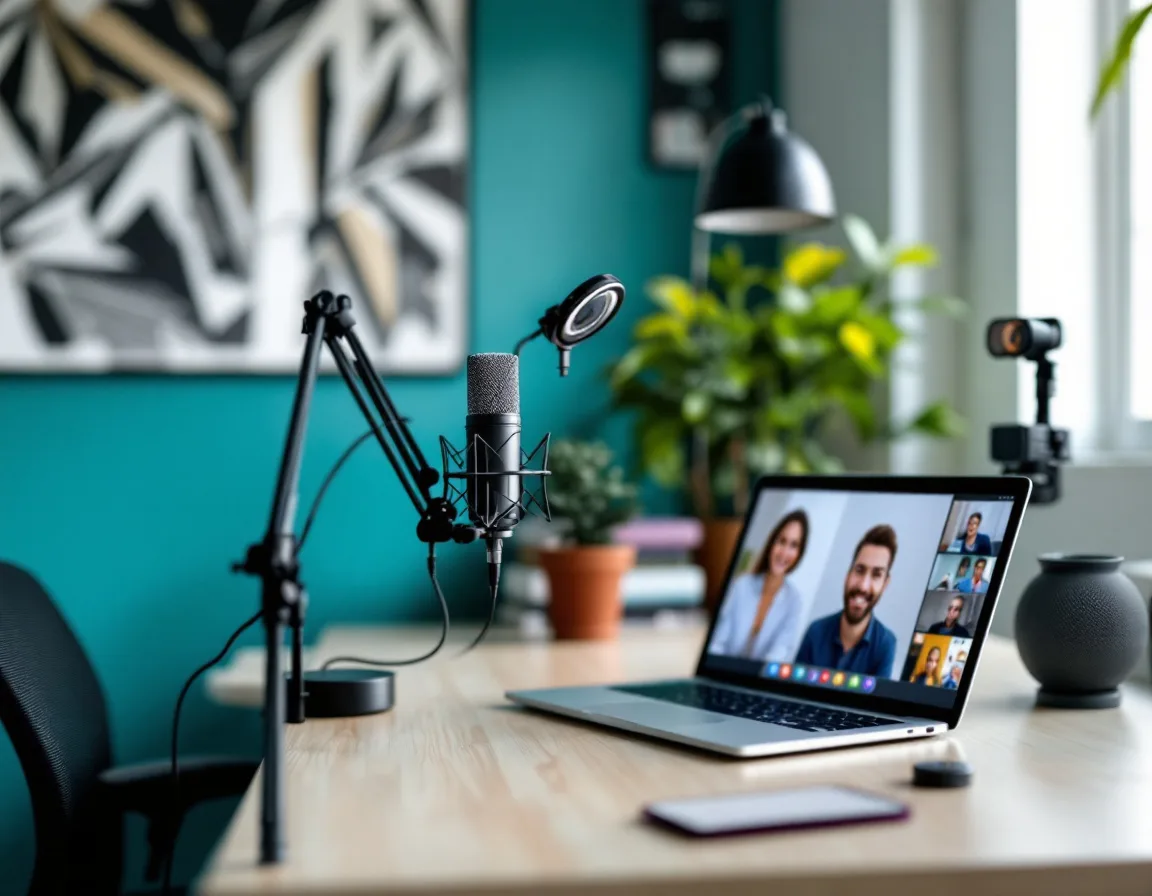
And you don’t need a production team. You need a webcam, a microphone, and Riverside. I wrote a full Riverside review if you want the deep dive on why it’s the right recording tool. Record yourself talking through the topic for 8-12 minutes. That recording becomes everything else.
What Does the Full Repurposing Flow Look Like?
One core asset. Everything else follows in sequence.
Record a YouTube video. Create a blog post from the transcript and embed the video in it. Adapt the blog into a LinkedIn article. Pull 3-5 social posts from the key insights and schedule them across LinkedIn, IG, FB, TikTok, and X. Reframe the best takeaway into a newsletter clip for your email list. Crop 2-4 short-form video clips from the original recording for YouTube Shorts, Reels, and TikTok.
That’s it. One recording. One sequence. 10-15 finished assets across 7+ channels.
| Asset | Channel | Source |
|---|---|---|
| Full YouTube video (8-12 min) | YouTube | Original recording |
| SEO blog post (2,000-3,500 words) | Website | Transcript + expansion |
| YouTube video embedded in blog | Website | Same video, embedded at top |
| LinkedIn article | Blog adapted for LinkedIn native publisher | |
| Newsletter clip | Email (Beehiiv) | Best takeaway reframed for inbox |
| 3-5 social posts | LinkedIn, IG, FB, TikTok, X | Standalone insights from video |
| 2-4 short-form video clips | YouTube Shorts, Reels, TikTok | Best moments cropped from recording |
How Does the Video Become a Blog Post?
You’ve recorded your YouTube video on Riverside. Riverside’s AI transcribes it, generates a full text transcript, and identifies key moments. That transcript is your raw material.
From there, I use Claude to transform the transcript into a full SEO blog post. Not a copy-paste of what you said on camera. A proper article with structure, headers, internal links, external citations, and the AEO formatting that gets picked up by AI search engines.
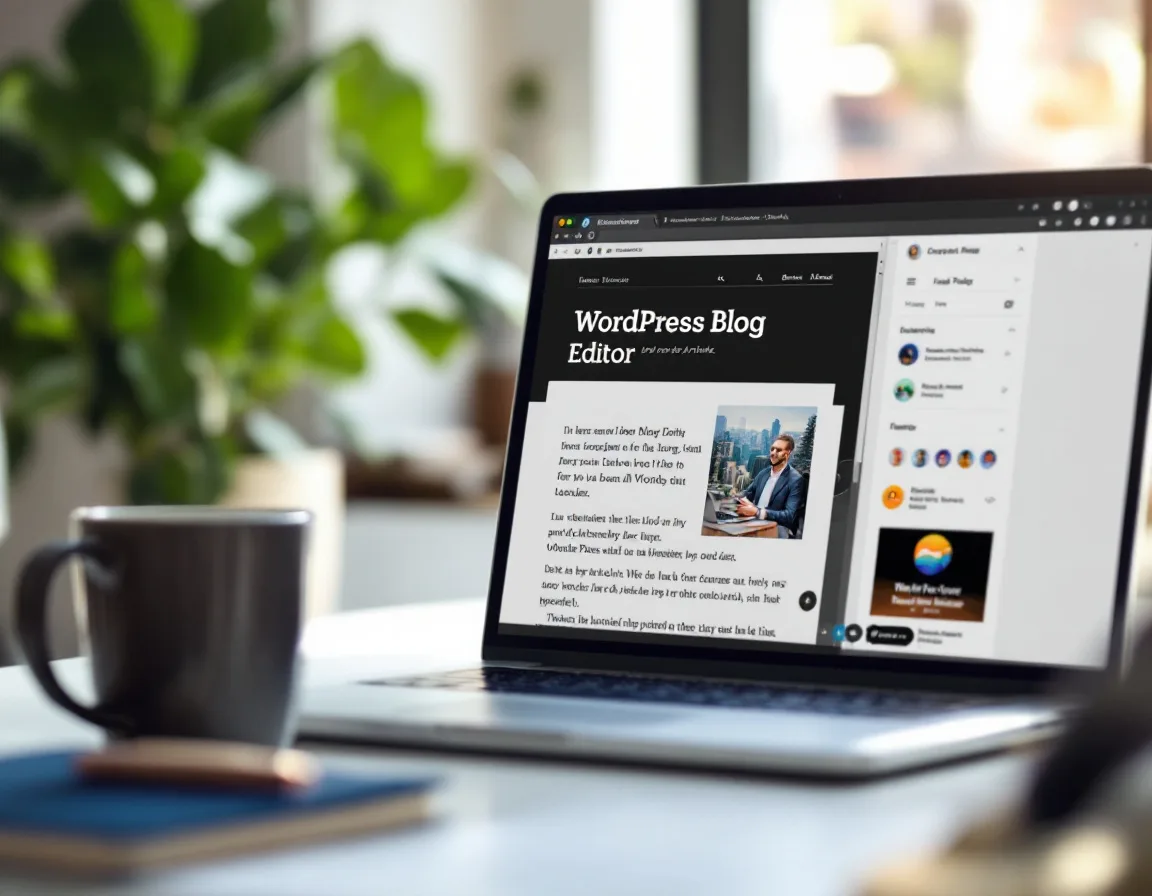
The blog goes on WordPress (hosted on Hostinger) with proper schema, meta descriptions, and alt text on every image. Embed your YouTube video at the top of the post, right after the introduction. The video keeps visitors on the page longer (which Google notices), and it gives readers who’d rather watch than read an immediate option. That single embed connects your two most valuable assets on the same URL.
Then I use Moz to verify keyword targeting, check AI visibility, and make sure the post is positioned to rank. For the full breakdown of my AI tool stack for B2B marketing, I published a separate guide.
Why not just publish the transcript? Because spoken language and written language are different animals. You say “um” and repeat yourself on camera. You add context a reader doesn’t need. And you skip the structural formatting that search engines require. The transformation step matters.
How Does the Blog Become a LinkedIn Article?
The blog post also becomes a LinkedIn article. Not a copy-paste. Reframe the intro for LinkedIn’s audience, trim the length by about 30%, and publish it on LinkedIn’s native article platform. LinkedIn articles get indexed by Google, which means you now have two URLs ranking for the same topic. Your website and your LinkedIn profile. LinkedIn’s domain authority helps the article rank for queries your blog might still be climbing for.
For a deeper look at how LinkedIn fits into the overall strategy, I wrote a separate LinkedIn marketing strategy for B2B guide.
How Do You Turn It Into a Newsletter Your Audience Actually Reads?
The blog exists. Now you have a newsletter clip.
But not a copy-paste with a “read more” link. Nobody clicks those. The newsletter is a reframed version of the best takeaway, written for the inbox.
I use Beehiiv for this. Three reasons. The growth mechanics (referral programs, recommendation network) build your list while you sleep. The analytics show you exactly which topics resonate. And you own the audience. LinkedIn can throttle your reach tomorrow. Your email list is yours.
The newsletter format is shorter than the blog. Lead with the insight, not the setup. Give the reader the takeaway in the first two sentences, then add enough context to make it useful. Link to the full blog and the YouTube video for anyone who wants to go deeper.
How Does the Distribution Layer Work?
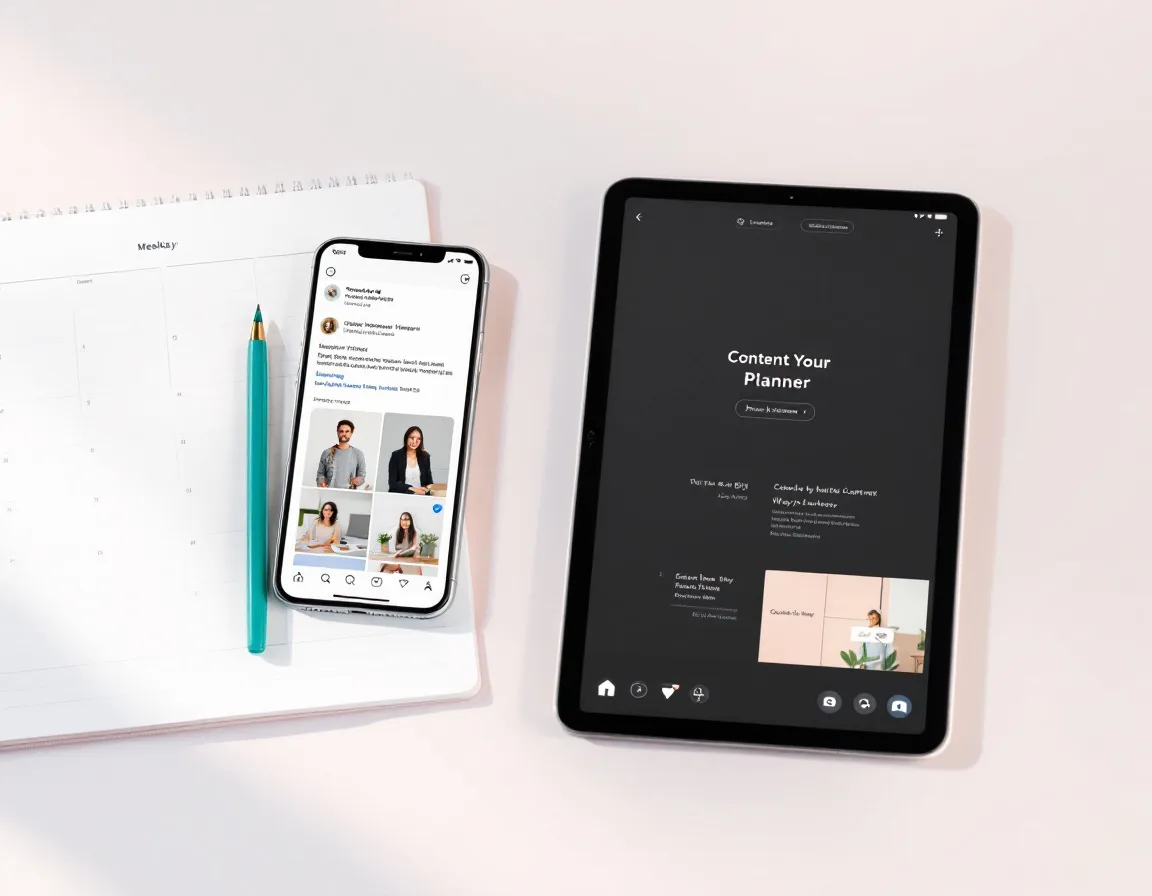
Publer handles scheduling and distribution across LinkedIn, IG, FB, TikTok, X, and any other channel in the mix. What I like about Publer specifically is the LinkedIn personal profile support and carousel publishing. Most schedulers only handle company pages. Publer handles both.
The distribution sequence matters as much as the content itself:
Day 1: YouTube video publishes. Share to LinkedIn with a text post teasing the key insight.
Day 2: Blog post goes live with the YouTube video embedded at the top. Publish a LinkedIn article adapted from the blog.
Day 3-4: Newsletter clip goes out to your email list via Beehiiv.
Day 5-7: 3-5 social posts drip out across LinkedIn, IG, FB, TikTok, and X. Short-form clips publish to YouTube Shorts, Reels, and TikTok.
You’re not posting the same thing seven times. You’re releasing different pieces that all reinforce the same topic from different angles on different platforms. That’s how topical authority compounds.
What’s the Real Time Commitment?
| Activity | Time |
|---|---|
| Topic selection (SEO research, team insights) | 30 min |
| YouTube recording on Riverside | 60-90 min |
| Blog post (transcript to article via Claude) | 45-60 min |
| LinkedIn article (adapted from blog) | 15-20 min |
| Newsletter clip in Beehiiv | 15-20 min |
| 3-5 social posts | 20-30 min |
| Short-form clips (Riverside AI + review) | 15-20 min |
| Distribution scheduling in Publer | 15 min |
Total: 3.5-5 hours per week. One person. One recording. 10-15 assets across 7+ channels.
No-founder-video weeks are slightly different. Skip the recording, write the blog first (60-90 min), create the Synthesia video (20-30 min), then the rest of the sequence stays the same.
Compare that to creating each piece from scratch. A single blog post takes 3-4 hours when you start from zero. A LinkedIn post takes 20-30 minutes. Multiply by 15 and you’re at 50+ hours for the same output. Repurposing isn’t a shortcut. It’s how small teams operate like large ones.
Why Does This System Build Topical Authority (and Why That’s the Whole Point)?
Topical authority is the reason this system works. Not just the output volume. The authority.
Here’s what topical authority actually means. When Google, YouTube, ChatGPT, and every other platform looks at your brand and sees the same topics covered consistently across multiple formats and channels, they start treating you as the authority on that subject. Not because you published one great blog post. Because you showed up everywhere, saying something useful about the same topic, in every format people consume.
One YouTube video on “marketing automation for B2B” is a signal. A YouTube video plus a blog post plus a LinkedIn article plus a newsletter plus 5 social posts plus 3 short-form clips on the same topic? That’s a pattern. And patterns are what algorithms trust.
This is why the repurposing system isn’t about saving time (although it does). It’s about building depth on your topics faster than creating each piece from scratch ever could. According to the Content Marketing Institute’s 2025 B2B survey, 92% of B2B marketers use short articles or posts, and 76% use video. But most create each format independently. The compounding happens when every format traces back to the same source material and reinforces the same topic.
After 12 weeks of running this system, you don’t have 12 random pieces of content. You have 3-4 topics covered from every angle on every platform. That’s when rankings start moving. That’s when AI systems start citing you. That’s when someone asks ChatGPT “who’s the best at [your thing]” and your name shows up.
The SEO research step at the beginning matters here too. You’re not picking random topics. You’re picking the topics that map to your money keywords and building authority on those specific subjects across every surface. Moz tracks this with their AI Visibility feature, which shows you how often your brand appears in AI-generated answers. That’s the scoreboard. I wrote about the full AI search visibility system separately.
The companies I work with that see results fastest are the ones who resist the urge to cover 20 topics in 20 weeks. They cover 4-5 topics deeply. Every repurposed piece reinforces the last one. That’s compounding. And that’s topical authority in practice.

The Bottom Line
The system is simpler than it looks. Pick topics from SEO research and customer conversations. Record one YouTube video per week. Turn it into a blog, a LinkedIn article, a newsletter clip, social posts, and short-form clips. Distribute deliberately. Repeat.
No founder video this week? Write the blog first, create a Synthesia video, embed it, and run the same sequence.
The tools make it manageable: Moz for keyword research and AI visibility. Riverside for recording and clips. WordPress on Hostinger for the blog. Beehiiv for the newsletter. Synthesia for AI video when you need it. Publer for distribution.
But the system matters more than any tool. If you want help building it, my 6-Week Marketing Sprint is where most companies start. Or if you want someone running it, let’s talk.
Questions B2B Teams Ask About Content Repurposing
How is content repurposing different from content recycling?
Recycling is posting the same thing again. Repurposing is transforming one idea into multiple formats, each built for the platform it lives on. A LinkedIn post pulled from your video isn’t a summary. It’s a standalone piece that works if someone never watches the video. That distinction determines whether you build authority or just create noise.
What if I’m not comfortable on camera?
You have two options. Get comfortable (it takes about 5 recordings before it stops feeling weird) or start with blog posts and use Synthesia to create AI videos from the scripts. The first option is better long-term because real video builds trust faster. But Synthesia gets you producing while you work up to it.
Can I start with a blog instead of YouTube?
Absolutely. Write the blog first, then create a Synthesia video to pair with it. Embed the video in the blog and run the rest of the sequence. You still get a LinkedIn article, social posts, a newsletter clip, and short-form clips. The only difference is the video is AI instead of you on camera. Some weeks that’s the right call.
What’s the minimum viable version of this system?
Record on Riverside. Turn the transcript into a blog post. Publish a LinkedIn article adapted from the blog. Send a newsletter clip via Beehiiv. Post 2-3 insights to LinkedIn via Publer. That’s five channels from one recording, and it takes about 2.5 hours total. Add the other layers as you build the habit.
How long before this produces results?
SEO results from the blog posts take 2-4 months to materialize. YouTube can surface faster if you target the right keywords. LinkedIn posts create immediate visibility. The newsletter compounds with every edition. After 90 days of consistent execution, you’ll have 12+ pieces of content per topic reinforcing each other across platforms. That’s when topical authority kicks in and the compounding gets noticeable.
Do I need all these tools, or can I start with fewer?
The non-negotiable stack is Riverside (recording), WordPress (blog), and one distribution tool (Publer or manual posting). That’s under $50/month. Everything else is an accelerator. Add Moz when you want to get serious about SEO targeting. Add Beehiiv when you’re ready to build an audience you own. Add Synthesia for no-founder-video weeks. Layer up as you grow.
Holly Mack is a fractional CMO for B2B companies. She writes about marketing systems, AI-driven execution, and building lean teams that produce real pipeline. Connect on LinkedIn.
Disclosure: Some links in this post are affiliate links. If you sign up through my links, I may earn a commission at no extra cost to you. I only recommend tools I use or have tested with real client programs.